Ranking
No. 1
adult & pediatric fractures
Tech
By technologyCare
By clinical workflowOne suite, two ways to read it. Tech by technology type, Care by clinical benefit.
See the Milvue SuiteTriage and diagnostic support across the radiography workflow. Computer vision for trauma and chest imaging: fractures, dislocations, joint effusions, pneumothorax, opacities, nodules and pleural effusions (Europe coverage). Every exam is analyzed at acquisition; critical cases rise to the top of the worklist.
In short. TechCare Alert is Milvue's AI software that analyses every radiograph at acquisition, flags fractures, dislocations and joint effusions and, in Europe, pneumothorax, opacities, nodules and pleural effusions, then moves urgent cases to the top of the worklist. Class IIa medical device in Europe, with no age limit; FDA cleared as TechCare Trauma (K242171) and licensed by Health Canada as SmartTrauma.
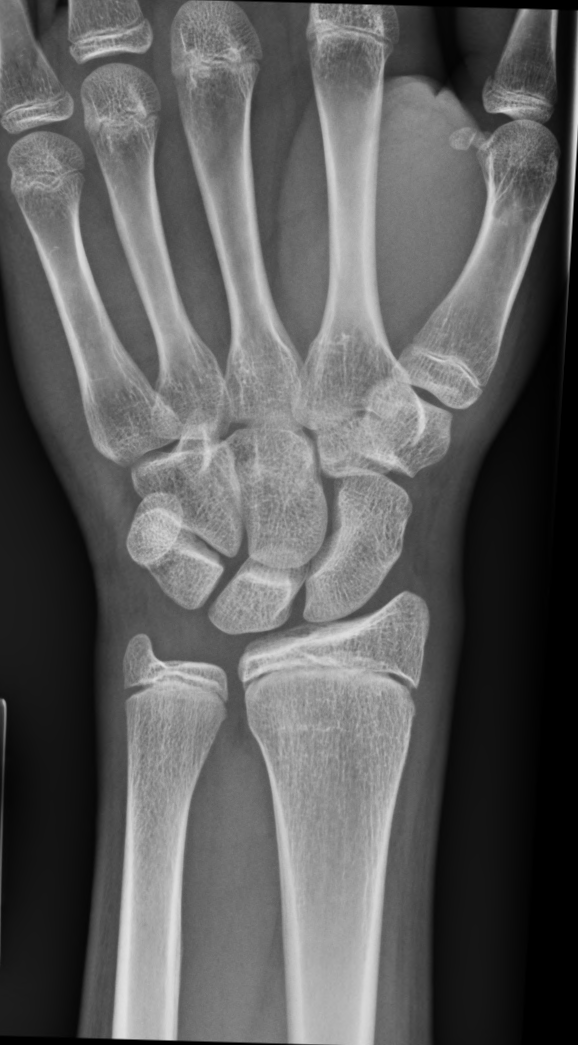
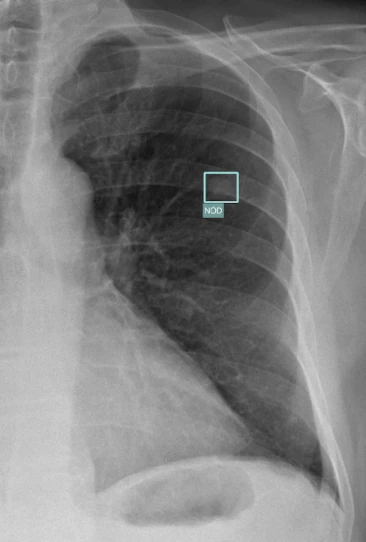
Detection covers musculoskeletal trauma and chest findings. The AI flags, localizes and returns the results; the radiologist stays in charge.
Nothing to change at the reading station: the solution slots into your existing flow.
The exam flows from the modality to the Milvue Suite, with no protocol change.
Detection, localization and confidence score in under 30 seconds.
Critical cases rise to the top of the worklist; results insert into the report.
This AI accurately identifies fractures and several chest abnormalities, including the most difficult ones. Displayed directly on our reading stations, TechCare Alert acts as an effective second reader.
CE-marked medical device, Class IIa, developed by Milvue. Native integration, protected data.
| Modalities | Standard radiography (CR / DX) |
|---|---|
| Regions | Skeleton, chest (chest findings: Europe only) |
| Population | Adult and pediatric, no age limit (EU) |
| Output | On-image results (DICOM SC, overlay, GSPS) and summary image · pre-filled narrative report, fitted to the standard report template |
| Integration | Native RIS / PACS, DICOM in / out · IHE profiles (Connectathons) |
| Device | CE marked class IIa · FDA (TechCare Trauma, US) · Health Canada (SmartTrauma) * |
Regulatory detail:
Page updated on October 3, 2026.
On radiographs: fractures, dislocations and joint effusions, in adults and children alike; in Europe, also pneumothorax, opacities, nodules and pleural effusions. Every exam is analysed at acquisition and detected findings are marked on the image.
In an independent emergency department study comparing three commercial algorithms on 1,210 patients (Bousson et al., Academic Radiology, 2023), Milvue reached 90.1% accuracy, versus 88.8% and 71.0%. In the reader study of the FDA submission, the AI raised reader sensitivity for fracture detection in adults by 22%.
Yes. In Europe, the Milvue Suite is a Class IIa medical device (EU MDR 2017/745, notified body BSI, CE 2797), with no age limit. In the United States, TechCare Trauma is FDA cleared (510(k) K242171); in Canada, SmartTrauma is licensed by Health Canada (Class II). In the United Kingdom, NICE lists TechCare Alert among the four AI technologies that can be used in the NHS to help detect fractures, for people of any age, during the evidence generation period (HTG739, January 2025).