Waiting time
− 1 h
in the ED, Aalborg University Hospital (Denmark)
Tech
By technologyCare
By clinical workflowOne suite, two ways to read it. Tech by technology type, Care by clinical benefit.
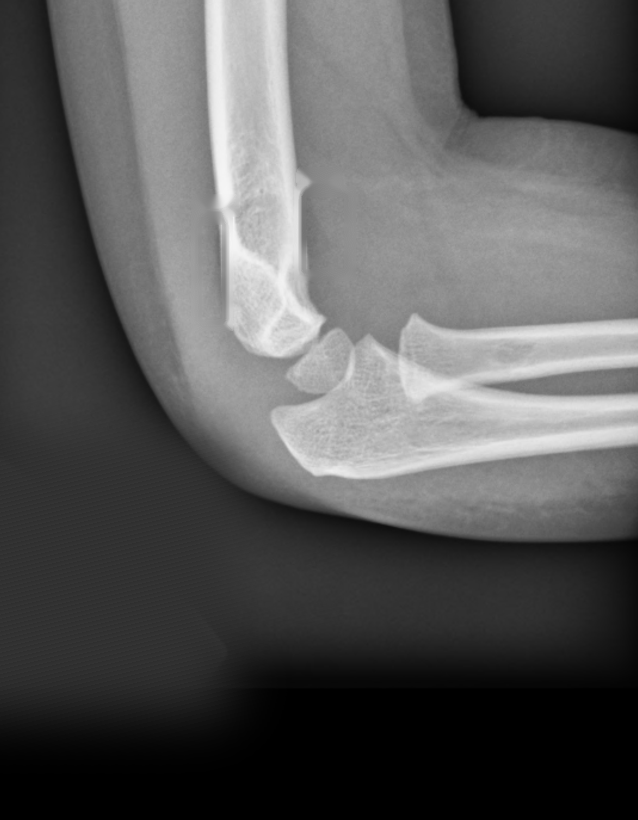
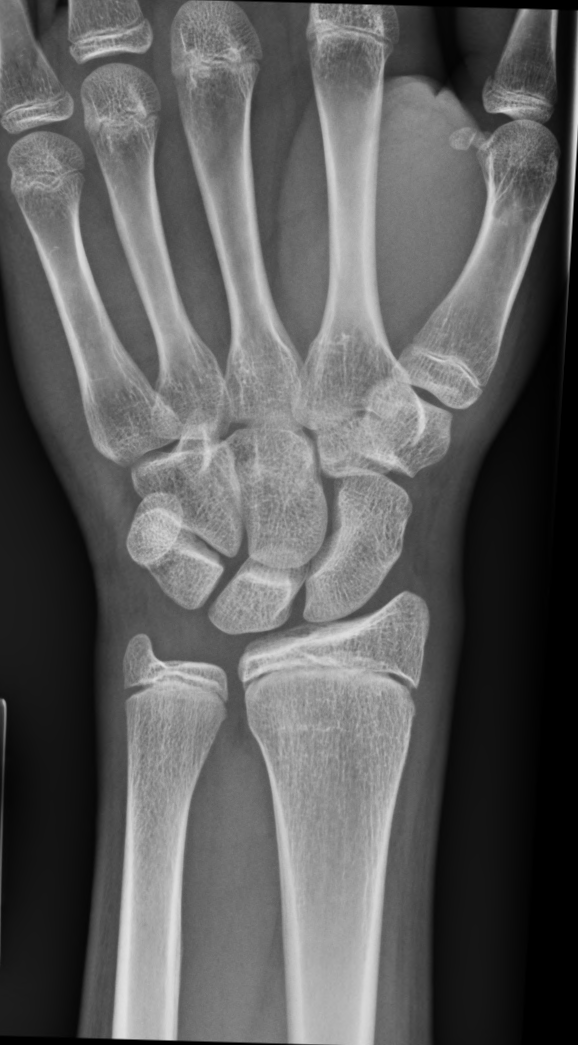
See the Milvue SuiteIn the ED, the flow never stops. The Milvue Suite triages exams at acquisition, pushes critical cases (displaced fractures, pneumothorax, pleural effusions, in Europe) to the top of the worklist and marks the findings on the image.
In short. In the emergency department, the Milvue Suite (TechCare Alert) analyses radiographs at acquisition and moves critical cases (displaced fractures and, in Europe, pneumothorax and pleural effusions) to the top of the worklist so they are read first. In an emergency study (European Journal of Radiology Open, 2023, 1,772 patients), the AI catches about 90% of misread radiographs.
Prioritization sits between the modality and the PACS. No workstation change, no disruption: the worklist reorders itself, the radiologist decides.
Nothing to change at the reading station: the solution slots into your existing flow.
Every incoming image is analyzed as it arrives.
Critical cases are identified with a confidence score.
The list reorders; the emergency goes ahead of routine.
An innovative solution that answers a safety need by augmenting physicians' capabilities.
CE-marked medical device, Class IIa, developed by Milvue. Native integration, protected data.
| Modalities | Standard radiography (CR / DX) |
|---|---|
| Context | ED, trauma, triage |
| Population | Adult and pediatric |
| Output | Priority + pre-filled report |
| Integration | Native RIS / PACS |
| Device | CE marked class IIa · FDA (TechCare Trauma, US) · Health Canada (SmartTrauma) * |
Regulatory detail:
Page updated on October 3, 2026.
Every radiograph is analysed at acquisition; critical cases (displaced fractures and, in Europe, pneumothorax and pleural effusions) move to the top of the worklist and findings are marked on the image. The radiologist keeps the decision.
In a study of 1,772 emergency patients (European Journal of Radiology Open, 2023), the AI reached an AUC of 0.954 and caught about 90% of misread radiographs.
Yes, natively: DICOM in and out, IHE profiles tested at Connectathons. Results arrive in the existing PACS and worklist, with no workstation change.